
Plan the move.
Prepare your factory.
Equipment fit, inspection, shipment and installation support for your used ceramic machinery project.
Start with your machine and factory conditions. Define the work, the evidence and the responsibilities before equipment moves.
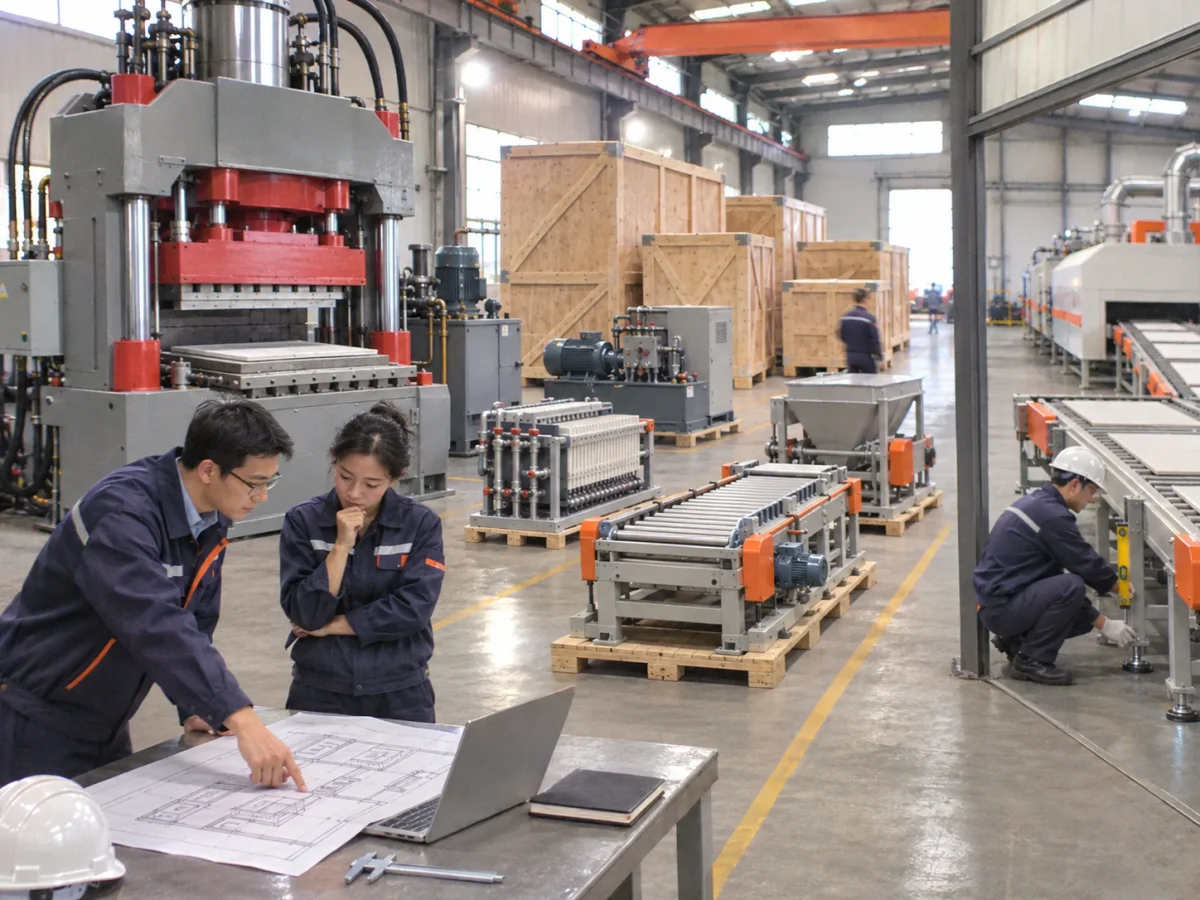
Choose the support you need
Select requirements for your brief. Included services, providers and costs are agreed in the quotation.
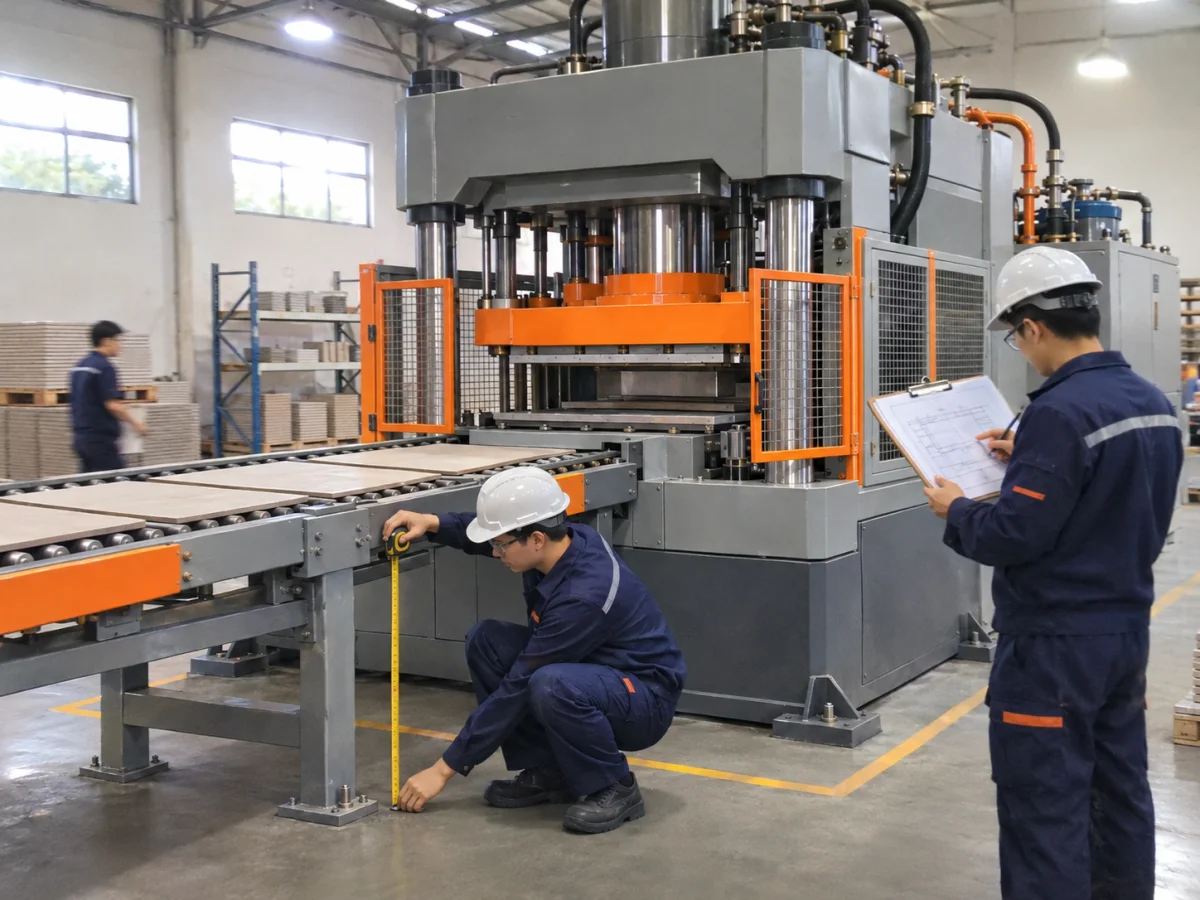
Equipment fit review
Avoid buying a machine that cannot connect to your line.
Work to agree
- Compare the machine outline, working envelope and material flow with your factory layout.
- Record differences in mounting, transfer height, utilities and control interfaces; identify any missing drawings.
What you receive
- Interface review with confirmed dimensions and open questions.
- A list of adapters, tooling or site changes requiring a quotation.
What your factory preparesProvide line layout, tile formats, output and site constraints.
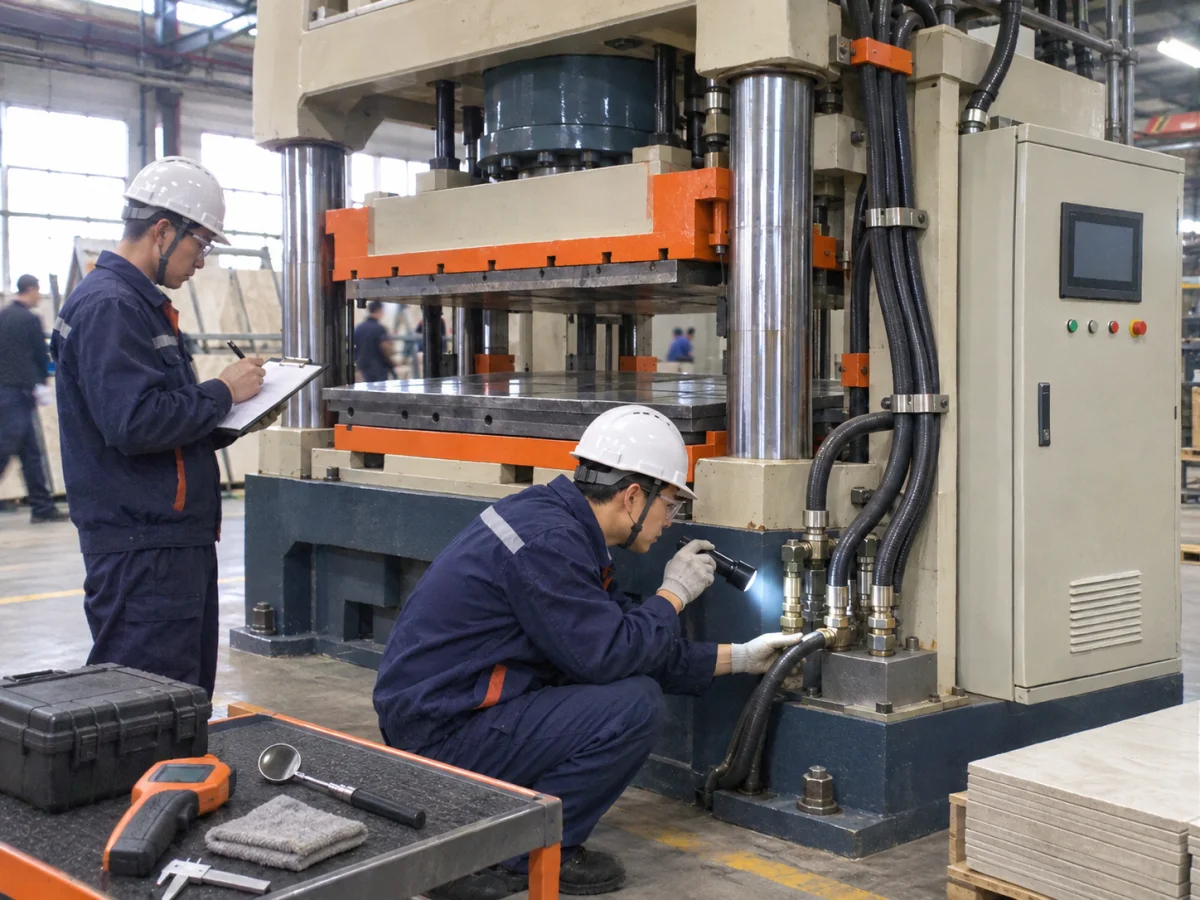
Pre-shipment inspection
Understand what can be checked before paying for or moving the equipment.
Work to agree
- Match the equipment identity, supplied assemblies and visible condition to the proposed scope.
- Agree accessible checks and feasible trial conditions; record wear, leaks, missing items and any test that cannot be completed.
What you receive
- Dated inspection evidence and an itemized condition record.
- Test results with conditions, limitations and unresolved defects.
What your factory preparesAgree test conditions, access and acceptance criteria.
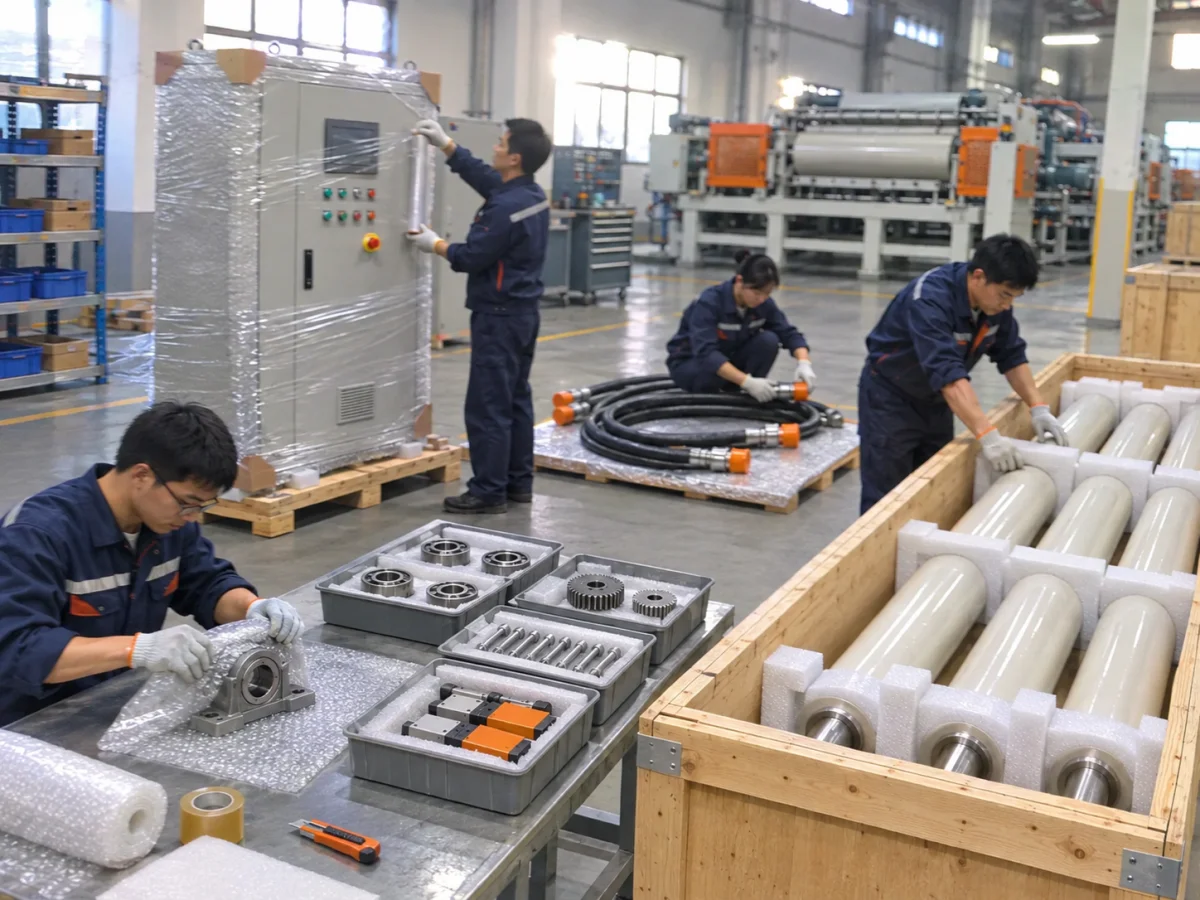
Dismantling and export preparation
Receive identifiable, protected components that can be reassembled.
Work to agree
- Agree the dismantling boundary, photograph connections and identify matching cables, pipes and assemblies.
- Plan component-specific protection, supports, lifting access and packing marks before confirming the transport arrangement.
What you receive
- Component register, connection records and agreed packing list.
- Packing photographs, package dimensions and dispatch handover records.
What your factory preparesConfirm destination handling and the quoted shipping scope.
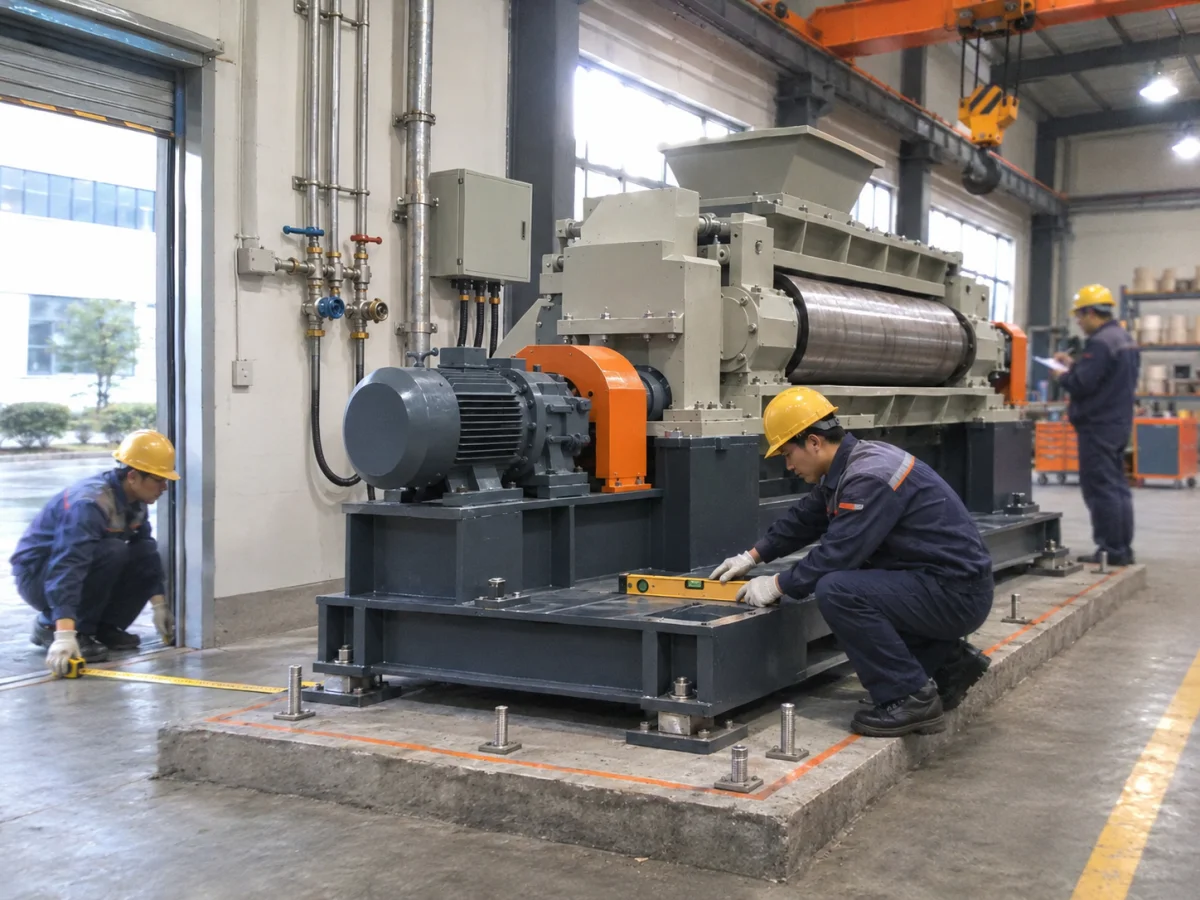
Installation coordination
Have the receiving factory ready before the equipment arrives.
Work to agree
- Review access, foundation requirements, unloading arrangements and utility connection points.
- Assign mechanical, electrical and alignment tasks to the appointed providers; record readiness gaps before scheduling site work.
What you receive
- Site-readiness checklist and installation task allocation.
- Alignment, connection and outstanding-work records.
What your factory preparesPrepare foundations, lifting, utilities and authorized site personnel.

Commissioning and acceptance planning
Agree what successful start-up means before the trial begins.
Work to agree
- Define the trial material, tile format, machine configuration and measurable acceptance criteria.
- Record the agreed trial results, exceptions and corrective actions; name who approves closure and any repeat test.
What you receive
- Trial procedure and acceptance record.
- An issue register with owners, actions and agreed follow-up.
What your factory preparesProvide operators, trial materials and acceptance decision-makers.
Different machines. Different fit checks.
Choose your equipment to see the interfaces to review. Confirm the actual dimensions and requirements against its drawings.
- 1
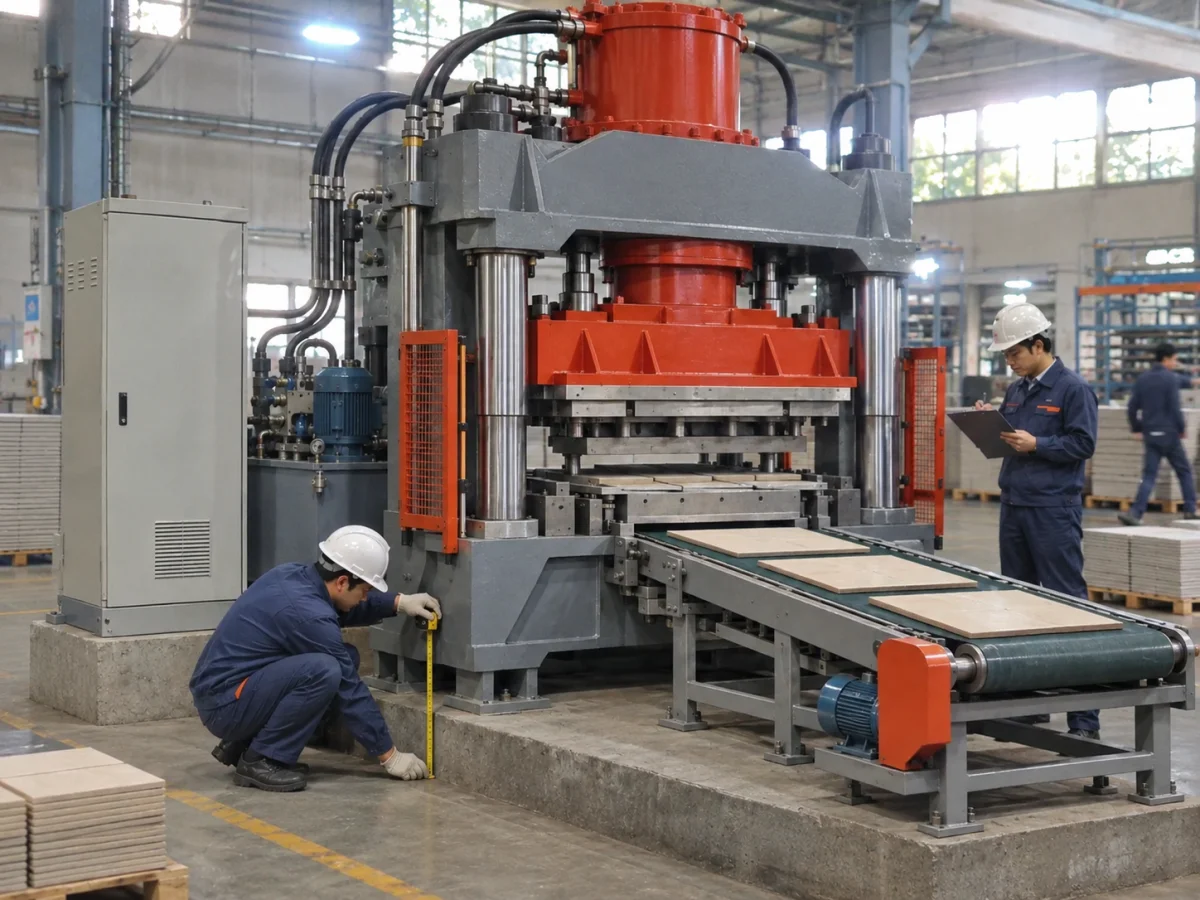
Foundation and lifting
Confirm equipment weight, foundation requirements, access and lifting points.
- 2
Tooling and feed
Match mold mounting, feeder interfaces, tile format and transfer direction.
- 3
Power and hydraulics
Check electrical supply, hydraulic connections, controls and required guarding.
Packing for this equipment
Protect guide columns, tooling faces and hydraulic connections. Identify the power unit, cabinet and feeder separately; secure tooling against movement.
Transport planning
Measure each shipping unit and confirm its weight and lifting information. Choose the lifting plan and container, open-top, flat-rack or other transport only after checking the actual limits.
Before dispatchConfirm the receiving foundation, unloading capacity, mold interface and electrical supply before dispatch.
- 1
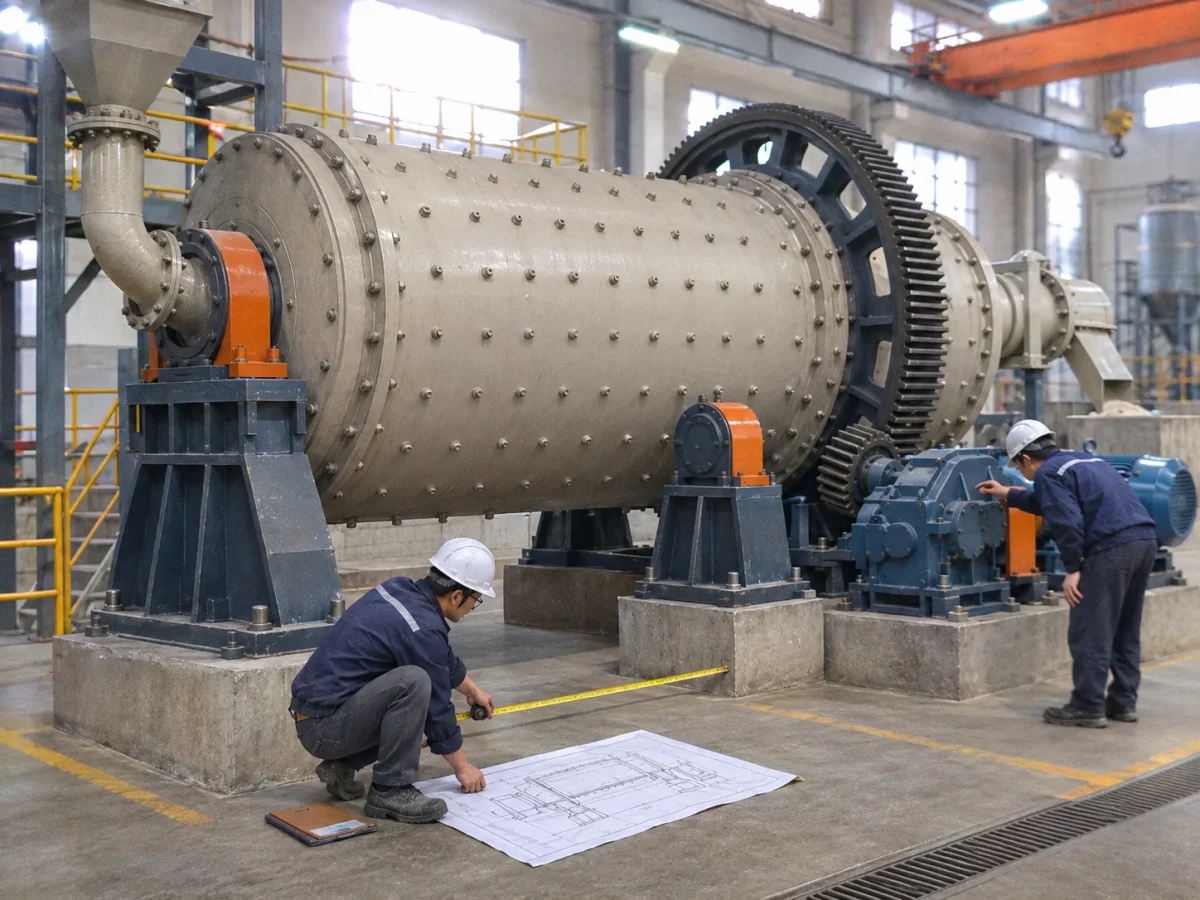
Foundation and drive
Check support positions, drive alignment, access and lifting arrangements.
- 2
Liners and process
Confirm liner layout, usable capacity, grinding duty and material compatibility.
- 3
Feed and discharge
Review piping, slurry transfer, utilities and trial conditions.
Packing for this equipment
Protect bearing seats, ring gear and pinion surfaces. Use designed supports for the drum; identify drive assemblies and keep ceramic liners separated and cushioned.
Transport planning
Check drum diameter, length, weight, centre of gravity and route access. Confirm support and restraint requirements with the transport provider before choosing the vehicle or container.
Before dispatchConfirm support locations, drive alignment, lifting access and the intended liner and process configuration.
- 1
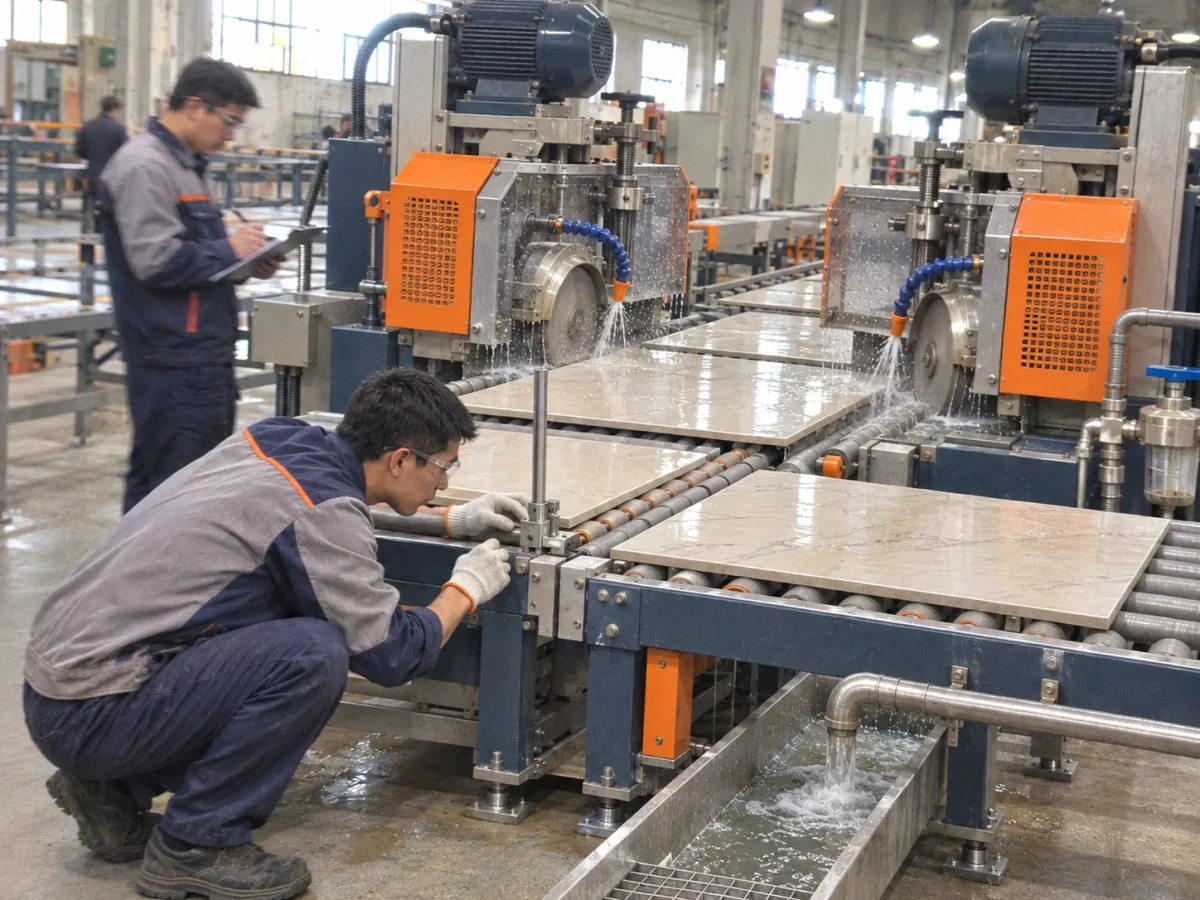
Line height and footprint
Match conveyor height, travel direction, access and available floor space.
- 2
Tile and tooling
Check tile sizes, material, abrasive configuration and target finish.
- 3
Water and controls
Confirm water supply, drainage, electrical load and upstream/downstream signals.
Packing for this equipment
Identify each line section, transfer direction, cable and water connection. Protect spindle interfaces and abrasive heads; drain and protect water circuits as agreed.
Transport planning
List the dimensions and weights of the separate conveyor and working modules. Agree skids, protection and loading sequence to match unloading and reassembly at the factory.
Before dispatchConfirm conveyor height, available line length, water supply, drainage and upstream/downstream control signals.
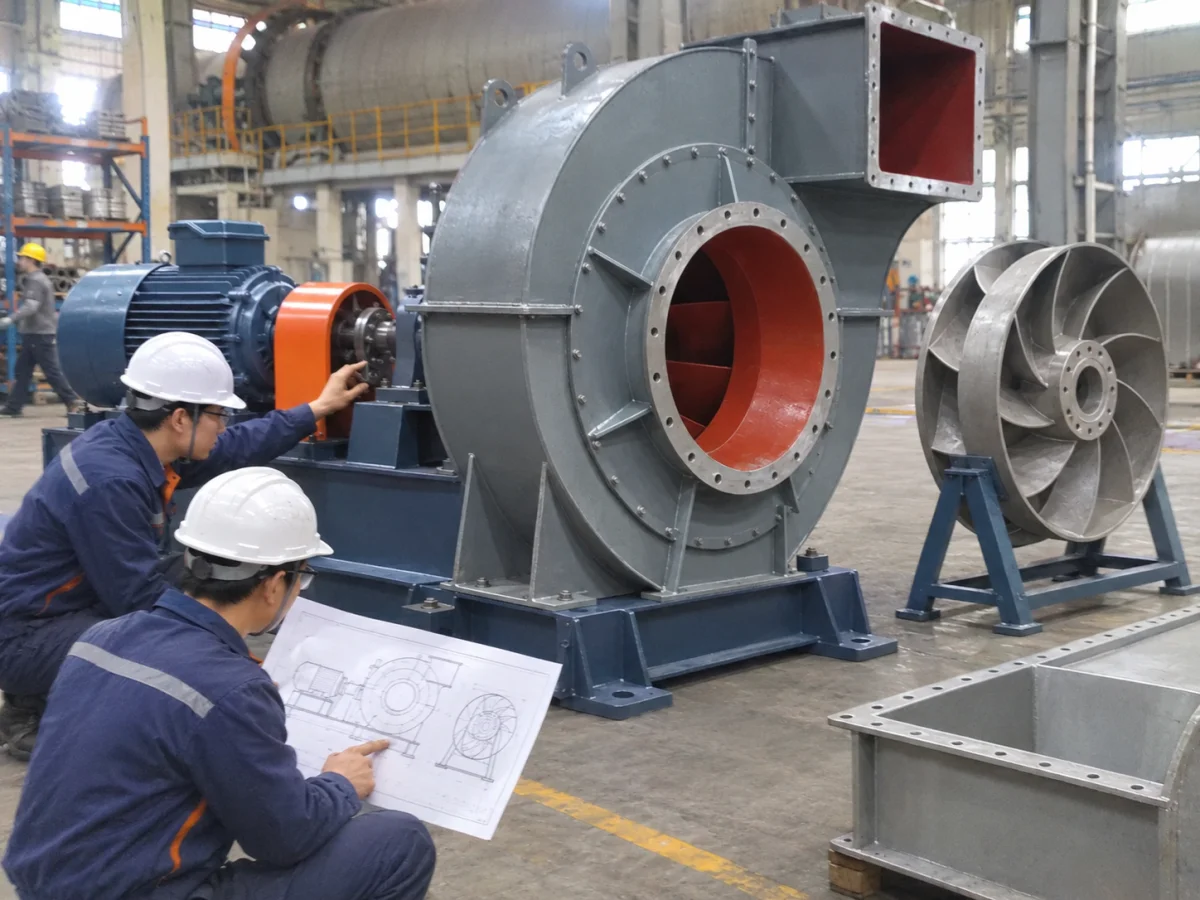
- 1
Mounting and shaft
Verify housing, mounting holes, shaft dimensions and coupling arrangement.
- 2
Operating duty
Confirm airflow, pressure, temperature and rotation against the installed system.
- 3
Drive and connections
Match motor rating, control method, duct connections and guarding.
Packing for this equipment
Protect the impeller, shaft, bearing seats and flanges. Secure rotating assemblies and identify the motor, coupling, guards and any separate duct transitions.
Transport planning
Confirm dimensions, weight, lifting points and restraint of the fan assembly. Use a suitable skid or crate and protect against movement and moisture during the agreed route.
Before dispatchConfirm airflow, pressure, temperature, rotation, mounting dimensions and motor/control compatibility.
From requirement to acceptance
Follow the actual work and handovers below. Open the supporting checklist when preparing each stage.
- 01
Define the machine and the job
Build one identifiable requirement before comparing equipment or services.
Our coordination
- Record the machine reference, included assemblies, production duty and destination.
- Separate known requirements from missing drawings, measurements and condition evidence.
Your factory
- Provide the layout, tile formats, target output and shutdown window.
- Identify your technical contact and who can approve the scope.
HandoverA requirements file and an open-question list.
Before moving forwardConfirm the intended application and the evidence still needed.
Supporting checklist
- Machine identity and present operating status.
- Current layout, access photographs and available utility information.
- 02
Verify fit and condition
Establish what the equipment is, what can be tested and what must change.
Our coordination
- Compare mounting, material flow, utilities and controls against the installed line.
- Arrange the agreed accessible inspection and trial; record missing items, defects and incomplete tests.
Your factory
- Approve the test criteria and review limitations of remote evidence.
- Provide site measurements or nominate a survey where information is missing.
HandoverA fit review, condition record and unresolved technical items.
Before moving forwardResolve critical fit issues or explicitly include the corrective work in the scope.
Supporting checklist
- Nameplate and assembly identity checks.
- Photographs tied to specific components and inspection dates.
- Trial configuration, measured results and checks that remain unverified.
- 03
Agree the purchase and service scope
Make the supplied equipment, optional work, exclusions and responsibilities comparable.
Our coordination
- List the supplied assemblies and separately quote agreed repair, inspection, packing and technical work.
- Identify the provider for each service and record delivery, handover and acceptance responsibilities.
Your factory
- Approve the included items, exclusions, trial criteria and site obligations.
- Confirm the destination, receiving plan and commercial milestones.
HandoverAn agreed equipment list and written service scope.
Before moving forwardConfirm every quoted task, cost boundary and unresolved condition before release.
Supporting checklist
- Responsibility for missing or replacement components.
- Warranty provider, claim procedure and acceptance exceptions.
- 04
Identify, dismantle and protect
Keep every shipped assembly traceable and choose protection for the actual component.
Our coordination
- Confirm the dismantling boundary and record cable, pipe and assembly connections before separation.
- Identify components, cap openings and protect precision, electrical and fragile parts.
- Check package contents, dimensions, weights and loading order against the transport plan.
Your factory
- Confirm unloading capacity, access and a protected receiving/storage area.
- Review the packing list and acknowledge any items shipping separately.
HandoverComponent and packing lists, dismantling records and packing photographs.
Before moving forwardConfirm missing items, transport scope and receiving arrangements before dispatch.
Hydraulic presses
Packing for this equipmentProtect guide columns, tooling faces and hydraulic connections. Identify the power unit, cabinet and feeder separately; secure tooling against movement.
Transport planningMeasure each shipping unit and confirm its weight and lifting information. Choose the lifting plan and container, open-top, flat-rack or other transport only after checking the actual limits.
Before dispatchConfirm the receiving foundation, unloading capacity, mold interface and electrical supply before dispatch.
Ball Mills
Packing for this equipmentProtect bearing seats, ring gear and pinion surfaces. Use designed supports for the drum; identify drive assemblies and keep ceramic liners separated and cushioned.
Transport planningCheck drum diameter, length, weight, centre of gravity and route access. Confirm support and restraint requirements with the transport provider before choosing the vehicle or container.
Before dispatchConfirm support locations, drive alignment, lifting access and the intended liner and process configuration.
Squaring & Finishing
Packing for this equipmentIdentify each line section, transfer direction, cable and water connection. Protect spindle interfaces and abrasive heads; drain and protect water circuits as agreed.
Transport planningList the dimensions and weights of the separate conveyor and working modules. Agree skids, protection and loading sequence to match unloading and reassembly at the factory.
Before dispatchConfirm conveyor height, available line length, water supply, drainage and upstream/downstream control signals.
Kiln Fans & Components
Packing for this equipmentProtect the impeller, shaft, bearing seats and flanges. Secure rotating assemblies and identify the motor, coupling, guards and any separate duct transitions.
Transport planningConfirm dimensions, weight, lifting points and restraint of the fan assembly. Use a suitable skid or crate and protect against movement and moisture during the agreed route.
Before dispatchConfirm airflow, pressure, temperature, rotation, mounting dimensions and motor/control compatibility.
Supporting checklist
- Electrical cabinets: agreed moisture and shock protection.
- Ceramic rollers: separated supports inside rigid protective packaging.
- Large frames: measured lifting, restraint and transport arrangements.
- 05
Receive, position and connect
Verify the delivery and complete the agreed installation work on a ready site.
Our coordination
- Coordinate the contracted installation provider, drawings and reassembly records.
- Track alignment, mechanical/electrical connections and outstanding work before start-up.
Your factory
- Check package identity, quantities and visible transit condition on arrival.
- Provide foundations, lifting, utilities, authorized personnel and access permissions.
HandoverReceiving checks, installation records and a remaining-work list.
Before moving forwardComplete readiness and safety checks before energizing or beginning the agreed trial.
Supporting checklist
- Record damage or shortages against the package reference.
- Resolve foundation, alignment, utility and guarding deficiencies.
- 06
Trial, accept and close open issues
Assess the agreed results and leave a clear record of what still needs attention.
Our coordination
- Coordinate the agreed test evidence and record configuration, material and operating conditions.
- Assign corrective actions, responsibilities and repeat checks for exceptions.
Your factory
- Provide trial materials, operators and the person authorized to accept results.
- Review measured outcomes and sign acceptance or record the agreed exceptions.
HandoverTrial results, acceptance records and an owned action list.
Before moving forwardClose each exception against the agreed evidence and warranty arrangements.
Supporting checklist
- Keep trial conditions alongside the measured results.
- Record who pays for and performs any corrective work.
- Agree follow-up and repeat-trial arrangements in writing.
If a fit or start-up issue appears
Record the issue
Keep the machine reference, symptoms, measurements and photos together. Pause unsafe work and preserve the agreed condition evidence.
Agree the next check
Compare the issue with the drawings and accepted scope. Define remote checks, additional parts or a site visit with the responsible provider.
Close the action
Record the corrective work, cost responsibility and repeat test. Warranty coverage and response arrangements follow the written agreement.
Start with your machine and factory conditions
Prepare the machine reference, destination, layout, available utilities and target shutdown window.
Provide machinery or local installation services? Partner With Us